
Frequently Asked Questions about the Taiga Tiger Kennel
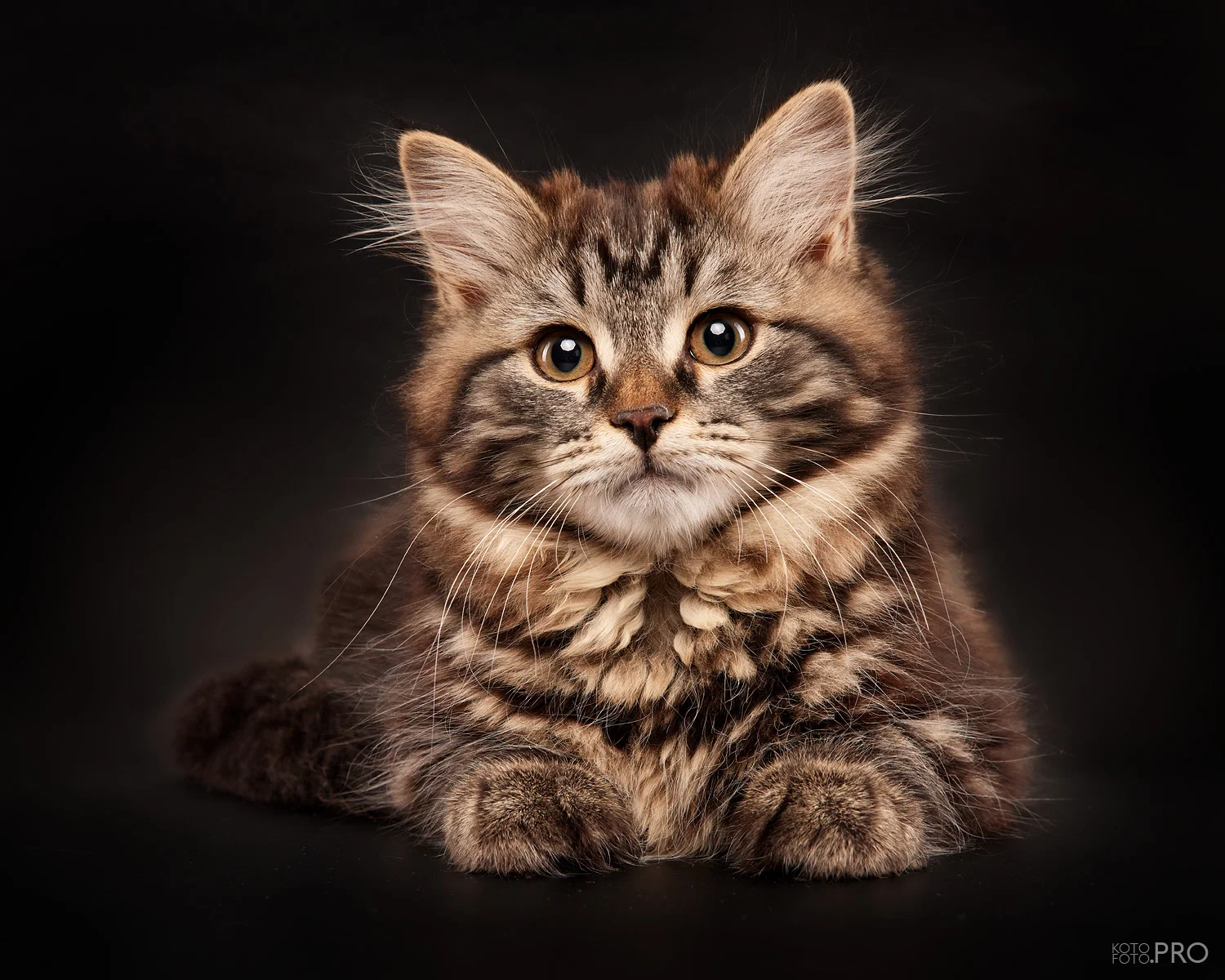
90,000 rubles, including a 25,000 ruble non-refundable deposit.
This price includes:
castration;
pedigree;
microchipping;
health guarantee;
vaccination (twice);
veterinary passport;
deworming (three times);
test results of the kitten’s parents*.
*This includes results of ultrasound of the heart and kidneys, genetic tests, tests for feline immunodeficiency virus (FIV) and feline leukemia virus (FeLV).
Shipping is not included in the kitten price and is charged separately. The following shipping options are available within Russia:
You are going to pick up a kitten;
We ship the kitten as cargo, with a courier or a travel companion (valid only for direct flights);
We travel in person (by plane or train, if the journey takes less than a day).
Kittens leave our cattery at 16-17 weeks of age. By this time, they are fully vaccinated, socialized, and their immune system is sufficiently developed to easily survive the move and quickly settle into their new home.
When targeted cat breeding first began, it was believed that by 8 weeks, a kitten was old enough to go to a new home. However, it was later discovered that the socialization window—the period when kittens learn to behave appropriately with people and other cats—is much longer and continues until three months of age. Taking a kitten away from its mother early is like playing Russian roulette. A 2017 study by a group of Finnish scientists showed that early weaning significantly impacts a kitten’s future life. Eighteen percent of kittens given away before 8 weeks developed aggressive and stereotypical behavior (such as sucking blankets). Kittens given up at 12-13 weeks had a 7.9% risk of developing this behavior. Kittens given up at 14 weeks and older were the least aggressive. Correcting aggressive behavior in adult cats is difficult and not always successful, while preventing it is very easy: simply wait until you take the kitten away from the breeder.
Ahola, MK, Vapalahti, K. & Lohi, H. Early weaning increases aggression and stereotypic behavior in cats. Sci Rep 7, 10412 (2017). https://doi.org/10.1038/s41598-017-11173-5
- We offer a 7-day (from the moment the kitten arrives at its new home) guarantee against all parasitic, fungal, and certain viral diseases, including herpesvirus, calicivirus, panleukopenia, and rabies. If the kitten is diagnosed with any of these diseases, we will reimburse the cost of treatment, but not more than the purchase price of the kitten.
- A 1-year (from birth) warranty against feline infectious peritonitis (FIP). FIP is a frequently fatal disease that primarily affects young (<1 year) and older (>8 years) animals. It is caused by a mutated feline coronavirus. It is currently unknown why it mutates in one cat and not another. While FIP cannot be predicted or prevented, if FIP is diagnosed, we will offer a full refund of the kitten or a second kitten of your choice, free of charge.
- A one-year (from birth) warranty covers genetic (congenital) diseases that will significantly reduce the kitten’s quality of life and/or result in a life expectancy of less than 7 years. A written veterinary certificate will be required to confirm the diagnosis. In some cases, we may require certificates from two independent veterinarians. If the diagnosis is confirmed, we will offer a full refund of the kitten or a second kitten of your choice, free of charge.
- A two-year (from birth) warranty against hypertrophic cardiomyopathy (HCM). HCM is the most common heart disease in cats. It typically affects older animals, but aggressive forms of HCM can also occur in young cats. HCM is believed to be hereditary, but the genetic mutations that cause this disease in Siberian cats are currently unknown. Although all our adult cats undergo regular cardiac ultrasounds, this only minimizes, but does not completely prevent, the risk of developing this disease. If any of our kittens is diagnosed with moderate or severe HCM before turning two years old, we will refund the full cost of the kitten or offer you your choice of another kitten free of charge.
At the moment our cats eat dry food and wet pouches of Purina Pro Plan.
Yes, cats, like humans, need regular dental cleanings. Cats have no natural defenses against plaque and cavities, so the best prevention of dental problems is regular brushing at home (once a week) and professional cleanings under anesthesia by a veterinarian as needed (usually every 2-3 years).
In accordance with the World Small Animal Veterinary Association (WSAVA) recommendations, we vaccinate our cats against feline herpesvirus (FHV1), feline calicivirus (FCV), feline panleukopenia (FPV), and rabies.
Our kittens receive the first dose of FNV1, FCV, and FPV vaccines at 9-10 weeks, and the second dose at 13 weeks. Rabies vaccination is administered once at 13 weeks.
https://wsava.org/global-guidelines/vaccination-guidelines/
We neuter all kittens sold without breeding rights at 14 weeks of age.
Traditionally, cats are neutered after reaching 6 months of age. However, there are no health consequences if neutering is performed earlier, starting at 2 months of age. Early neutering is convenient for both the breeder and the buyer. This ensures that the breeder knows their kitten will not be used for illegal breeding, and the buyer does not need to worry about possible complications after the surgery.
https://fve.org/publications/early-neutering-of-kittens/